
The evolution of customer service through chatbots and its effect on engagement
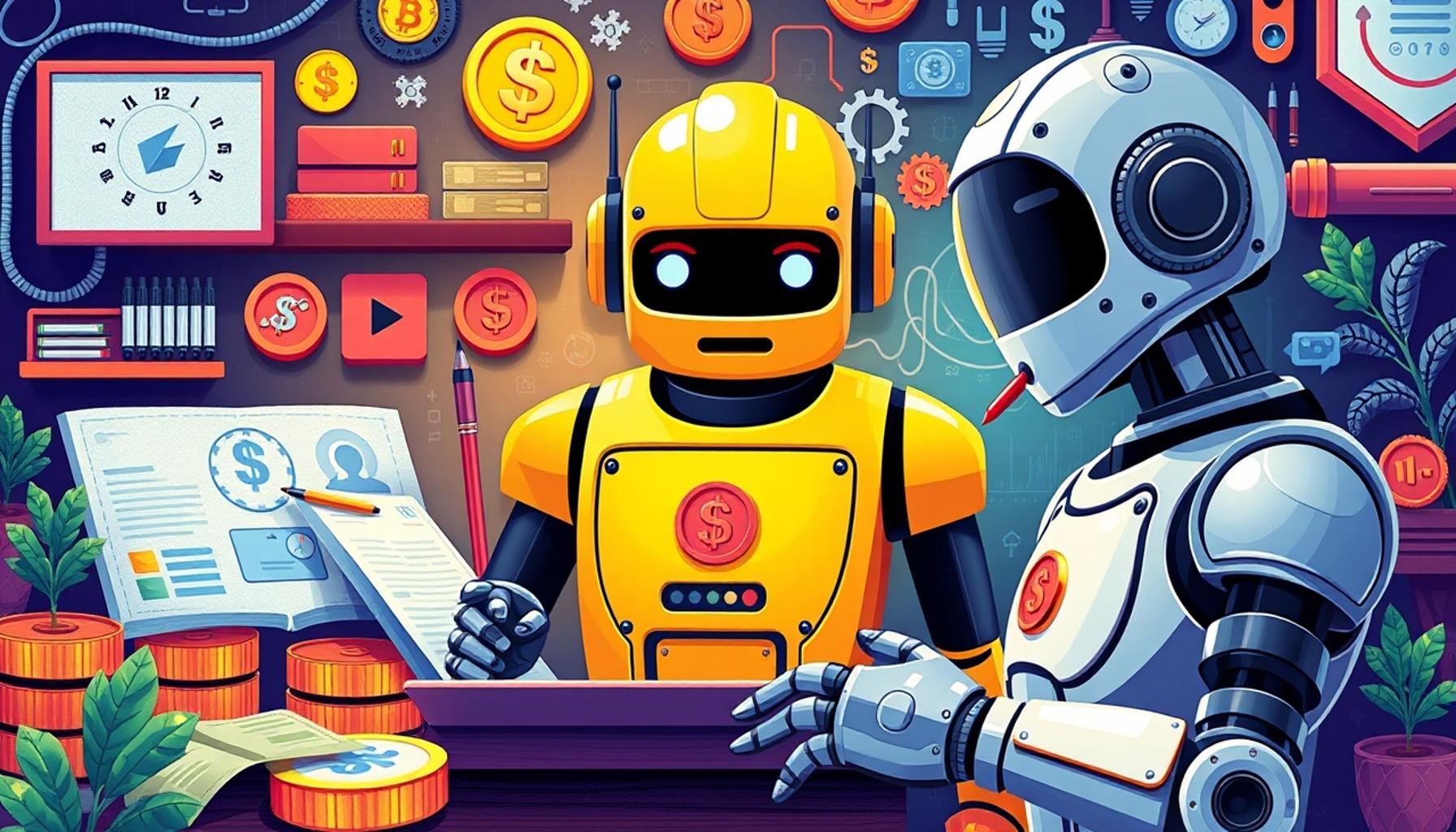
Revolutionizing Customer Interactions
The last decade has marked a significant shift in how businesses engage with their customers, mainly driven by advancements in technology. Among the most influential developments are chatbots—automated software applications designed to communicate with users in a conversational manner. These programs utilize natural language processing and artificial intelligence to interact with customers effectively, often transforming the customer experience.
24/7 Availability
One of the most compelling features of chatbots is their 24/7 availability. This means that customers can seek assistance at any hour, which is particularly crucial in a global economy where transactions and interactions don’t stop at five o’clock. For instance, a business based in New York can cater to a client in California at midnight without requiring human staff to work around the clock. This level of availability ensures that customers receive the support they need, when they need it, enhancing their overall experience and building trust in the brand.
Quick Responses
Another advantage of chatbots is their ability to provide quick responses. Unlike human agents, who may be tied up with one customer at a time, chatbots can manage multiple inquiries simultaneously. For example, during peak shopping hours, a retail business’s chatbot can answer questions about product availability, shipping details, and return policies all at once. This efficiency dramatically reduces wait times, ensuring that customers remain engaged and satisfied without feeling neglected.
Personalized Interactions
Furthermore, chatbots are increasingly sophisticated in their capacity for delivering personalized interactions. By analyzing user data, including past purchases and browsing history, they can offer tailored responses that feel unique to each customer. For instance, if a returning customer inquires about shoes, the chatbot could suggest items based on their previous purchases, making the shopping experience more relevant and enjoyable. This personal touch fosters a deeper connection between the customer and the brand.
Positive Business Impacts
As companies adopt chatbots, the benefits extend beyond customer interactions. A notable impact is improved satisfaction. Customers who receive quick resolutions to their issues are naturally more pleased with their service experience. This satisfaction often translates into higher retention. Engaged customers are more likely to become repeat buyers, enhancing the brand’s loyalty base.
Moreover, the integration of chatbots can lead to cost efficiency. Businesses can automate routine queries and free human resources to focus on more complex problems that require a personal touch. For example, a customer who faces technical difficulties with a product may need human intervention, while general inquiries can be resolved by a chatbot. This approach optimizes resource allocation and improves operational efficiency.
Overall, the evolution of chatbots presents an exciting future for customer service. As technology continues to advance, businesses are likely to see even greater enhancements in customer engagement and satisfaction. In the sections that follow, we will delve deeper into the implications of this transformation and examine the future trajectory of customer service in an increasingly digital age.
DIVE DEEPER: Click here to unlock tips for free Shein clothes!
The Transformative Role of Chatbots in Customer Service
The integration of chatbots into customer service has not only enhanced operational capabilities but has also redefined the nature of customer engagement. As these automated tools continue to evolve in sophistication, they are shifting the paradigm of how companies interact with their clients. Through enhanced features and functionalities, chatbots have made customer service more efficient, responsive, and tailored to individual needs.
Understanding Customer Needs
A significant aspect of effective customer service is understanding and anticipating customer needs. Chatbots excel in this area by utilizing data analytics and machine learning techniques. By analyzing previous interactions and customer behavior, chatbots can predict what information or assistance consumers might require. For example, if a customer typically struggles with product returns, the chatbot can proactively provide guidance on returning an item even before the customer asks. This anticipated support not only enhances the customer experience but also demonstrates that the brand values and understands its customers.
Multi-Channel Support
Chatbots have become adept at providing multi-channel support, which is essential in today’s omnichannel shopping environments. Whether through a company website, mobile app, or social media platforms, chatbots can engage with customers seamlessly across various touchpoints. Customers might prefer to reach out via Instagram when they are browsing during a lunch break but switch to the company’s website for more detailed inquiries later. Chatbots ensure a consistent experience, which enhances engagement and reinforces brand loyalty.
Cost-Effective Solutions
In addition to improving customer interaction, chatbots present cost-effective solutions for businesses. The operational costs associated with hiring and training a large customer service team can be significant. Implementing chatbots can help mitigate these expenses by handling a large volume of inquiries without the need for constant human supervision. Companies can allocate resources more efficiently, directing human agents towards more complex issues requiring nuanced understanding or empathy. Here are some examples of cost efficiencies gained from chatbot implementation:
- Reduced Staffing Costs: By automating routine questions, businesses can maintain a smaller support team.
- Lower Operational Costs: Chatbots can function efficiently 24/7 with minimal overhead associated with downtime or scheduling.
- Enhanced Response Times: Quick query resolution reduces the likelihood of customer churn due to prolonged wait times.
Building Trust and Loyalty
Trust is critically important in the customer-business relationship. By providing consistent, accurate, and timely assistance, chatbots contribute to building a strong sense of trust among customers. When customers feel supported, they are not only more likely to return to the brand but also to recommend it to others. This word-of-mouth promotion underscores the importance of having strong chatbot interactions as a facet of broader customer service strategies.
As the deployment of chatbots continues to grow, businesses are discovering novel ways to deepen engagement and enhance the overall customer experience. The ability to offer personalized service, predict customer needs, and provide immediate support underscores the pivotal role these automated systems play in modern customer service. The shift towards chatbot integration is just the beginning of a customer service evolution that holds promise for both businesses and consumers alike.
DIVE DEEPER: Click here to learn more about AI in Shein’s strategy</
The Impact of Chatbots on Customer Engagement Strategies
As chatbots become more intertwined with customer service, their influence extends beyond mere efficiency and cost-saving benefits. They have given rise to innovative customer engagement strategies focused not just on answering questions but creating memorable experiences that resonate with consumers.
Personalization Through AI
At the core of effective customer engagement lies personalization. Chatbots equipped with advanced AI capabilities can analyze customer data, preferences, and past behaviors to tailor interactions. For instance, a customer who frequently upgrades their smartphone may receive proactive notifications about the latest models that match their interests. This kind of personalized marketing fosters a sense of connection between the consumer and the brand. By feeling understood, customers are more likely to engage positively and make repeat purchases.
Emotional Intelligence in Chatbots
Although it may be surprising, chatbots have started to incorporate elements of emotional intelligence. Using sentiment analysis, chatbots can detect customer emotions based on language and tone, allowing them to respond appropriately in various situations. For example, if a customer expresses frustration over a delayed order, a responsive chatbot can acknowledge the customer’s feelings and provide reassurance, enhancing the interaction’s quality. This ability to respond to emotions can significantly improve customer satisfaction and engagement.
The Role of Engagement Analytics
Engagement analytics provided by chatbots is a game changer for businesses. By tracking customer interactions, businesses can gather valuable insights on consumer behavior and preferences. With the data collected, companies can refine their marketing strategies and improve their service delivery. For instance, if analytics reveal a particular time frame when customers prefer to interact, businesses can strategically deploy chatbots during those peak hours to maximize engagement. This data-driven approach strengthens customer service frameworks and enhances overall customer experiences.
Creating Brand Advocates
Engaging customers effectively can lead to the transformation of casual buyers into brand advocates. Satisfied customers are more inclined to share their positive experiences with family and friends. With the ease of digital sharing today, a simple positive interaction with a chatbot can escalate to social media shares, reviews, or personal recommendations. Companies that harness this potential can benefit from organic marketing opportunities, greatly enhancing brand visibility and reputation.
Challenges and Future Prospects
While chatbots present undeniable advantages, there are challenges associated with their adoption that businesses must address. One of the primary concerns is achieving the right balance between automation and the human touch. Some customers still prefer interacting with human agents, especially for complex issues. However, businesses can view chatbots as a complement to human service rather than a replacement. By incorporating chatbots in initial query handling while reserving human agents for intricate concerns, businesses can optimize customer engagement.
As technology continues to advance, the evolution of chatbots will drive further changes in customer service dynamics. With ongoing innovations in AI, natural language processing, and data analytics, chatbots are set to play an even more central role in enhancing customer engagement strategies. The future of customer service is indeed poised to be more responsive, personalized, and engaging, driven largely by the capabilities of chatbots.
DISCOVER MORE: Click here to learn about the impact of fast fashion</
Conclusion
In conclusion, the evolution of customer service through chatbot technology marks a significant shift in how businesses engage with their customers. As we have seen, chatbots have evolved from simple automated responders to sophisticated tools equipped with artificial intelligence that enhance personalization and emotional intelligence in interactions. These advancements enable businesses to provide a more tailored experience that resonates with customers, fostering a deeper connection and enhancing engagement.
Moreover, the integration of engagement analytics allows companies to gather valuable insights, refining strategies to better meet customer needs. This data-driven approach not only aids in resource allocation but can also transform casual customers into fierce brand advocates, who actively share their positive experiences across social media platforms. As chatbots handle more initial queries and streamline service delivery, businesses can maintain a balance with human support for more complex issues, ensuring a comprehensive service experience.
While the journey is not without challenges, the continued advancement in chatbot capabilities suggests a bright future ahead for customer service. As technology progresses, companies that embrace this evolution will likely find themselves at the forefront of customer engagement, poised to offer experiences that not only meet expectations but exceed them. Ultimately, the integration of chatbots in customer service is shaping a more responsive and engaging business landscape, where customer satisfaction is prioritized, and meaningful relationships with consumers can flourish.

Linda Carter
Linda Carter is a writer and expert known for producing clear, engaging, and easy-to-understand content. With solid experience guiding people in achieving their goals, she shares valuable insights and practical guidance. Her mission is to support readers in making informed choices and achieving significant progress.