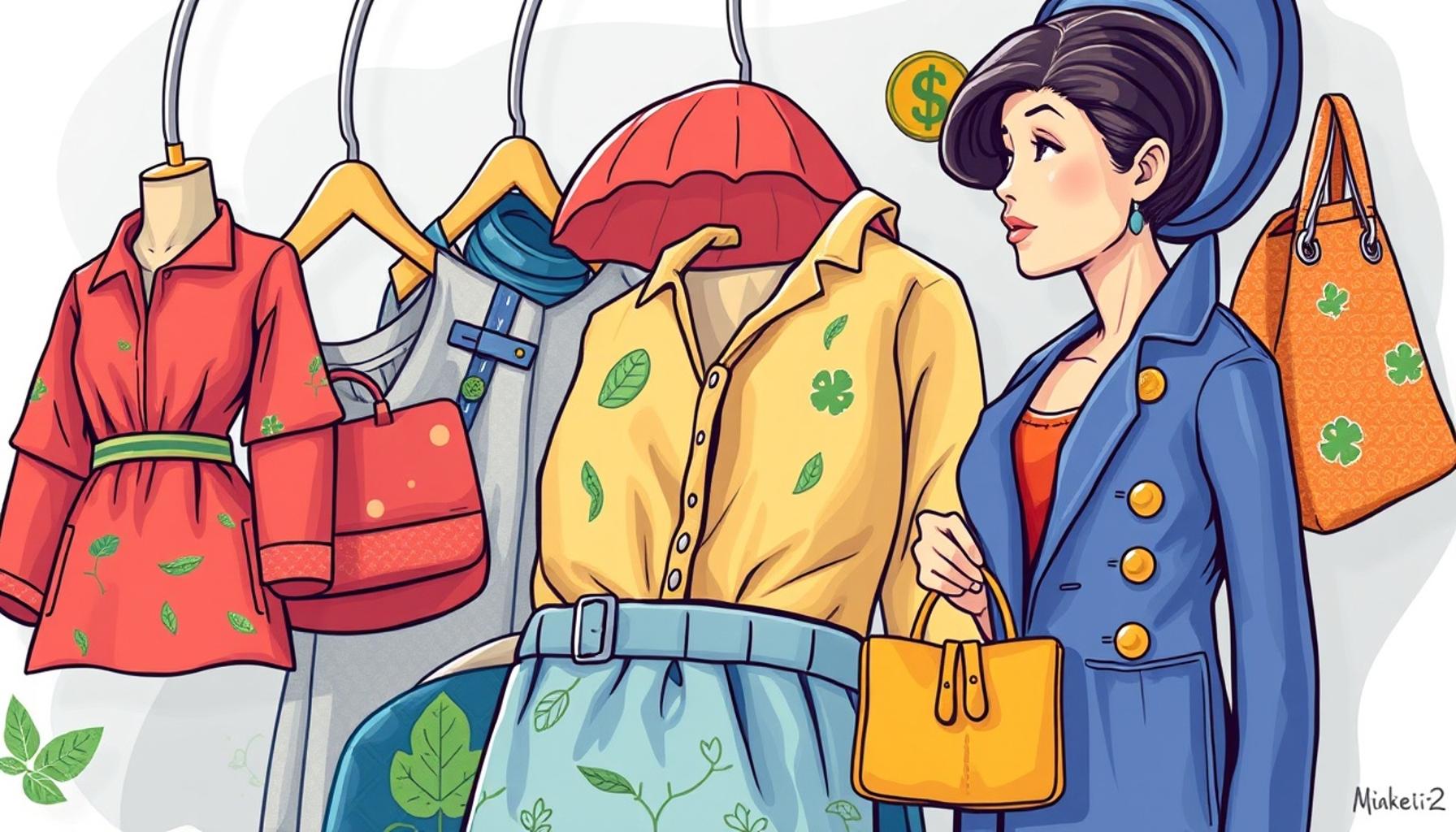
Shein and Inclusive Fashion: How the Brand is Expanding its Reach and Representativeness in the Market

Understanding the Shift Towards Inclusive Fashion
In the ever-evolving landscape of fashion, the movement towards inclusivity has gained remarkable momentum. This approach not only acknowledges the diverse body types and cultural backgrounds of consumers but also emphasizes the importance of individual style expression. As society becomes more aware of the diverse identities and preferences that exist, brands are beginning to shift their strategies to reflect this reality.
The Role of Shein in Promoting Inclusivity
Among the brands leading the charge in this movement is Shein, a fast-fashion retailer that has made significant investments in creating a more inclusive shopping experience. One of the cornerstone strategies employed by Shein is its diverse size range. By offering clothing in a broad spectrum of sizes, including options for plus-size individuals, Shein addresses a crucial need in the market where many traditional retailers often overlook or underrepresent larger sizes. For instance, while some brands might stop at size 14, Shein provides a wide assortment of sizes up to 4X, catering to women of all shapes.
Additionally, the brand’s commitment to variety of styles is noteworthy. Shein curates collections that showcase styles reflecting different cultures, aesthetics, and personal preferences. From streetwear to bohemian chic, the diversity in their offerings allows customers to find pieces that resonate with their specific tastes. This is particularly significant in a country like the United States, where fashion is deeply influenced by multiculturalism. A young woman might find both an ethnic-inspired print dress and a contemporary minimalist outfit in the same shopping session, highlighting how Shein embraces a global approach to fashion.
Empowering Through Collaborations
Another innovative aspect of Shein’s approach to inclusivity lies in its collaborations. The brand actively partners with influencers and designers from various backgrounds, which not only amplifies diverse voices in the fashion industry but also brings fresh perspectives to its collections. These collaborations have been instrumental in reaching broader audiences, enabling them to see themselves represented in the clothes available to them. For example, collaborations with Black or Latinx designers allow Shein to showcase unique styles and narratives that reflect those communities, fostering a sense of belonging among shoppers.
Conclusion
Shein’s dedication to inclusivity is paving the way for a more representative fashion industry. This shift not only enhances consumer choice but also addresses a significant gap that has long existed within traditional retail paradigms. As this brand continues to expand its focus on diversity, it sets a commendable example of how inclusivity can transform the marketplace, encouraging other fashion retailers to follow suit. Observing Shein’s ongoing initiatives to foster an inclusive shopping environment will undoubtedly provide valuable insights into the future of fashion as it strives to embrace every individual.
DISCOVER MORE: Click here to unlock the secrets of free fashion!
Shein’s Approach to Size Inclusivity
At the forefront of Shein’s inclusive fashion initiatives lies its commitment to size inclusivity. This commitment is framed by a clear understanding of the demographic landscape in the United States, where diverse body types and sizes are prevalent. Traditionally, many retailers have failed to provide options for consumers outside of the prevailing “standard” sizes, which typically end around size 14. In stark contrast, Shein has made strides to ensure that individuals of all shapes can find fashionable pieces that fit their personal style. By extending its size range to include items that go up to size 4X, Shein actively breaks down barriers that have historically marginalized larger individuals in the fashion world.
This approach not only caters to a larger audience but also fosters body positivity. By featuring models of various sizes and shapes on its website and social media, Shein promotes a message that all bodies are beautiful and deserve to be dressed in trendy and stylish clothing. This visibility can be empowering for customers who see themselves represented, fostering a sense of community and acceptance.
A Range of Styles for Diverse Preferences
The diversity of Shein’s product offerings further underscores its dedication to inclusivity. The brand ensures that its collections are not just a one-size-fits-all concept, but rather a celebration of individuality and cultural diversity. This is achieved through:
- Diverse Fashion Collections: Shein’s collaborations with various designers and the inclusion of international styles allow customers to explore a wide range of clothing options, reflecting the vast cultural background of its shoppers.
- Seasonal Variety: By updating their inventory frequently, Shein provides customers with the latest trends while keeping the price point accessible. This is particularly appealing to younger shoppers who want fashionable pieces that won’t break the bank.
- Special Occasion Wear: Beyond everyday clothing, Shein also caters to inclusive needs in special occasions, offering dresses and outfits designed for all body types, ensuring that everyone can look their best at important events.
These factors play a significant role in promoting an inclusive shopping experience, wherein customers can find styles that resonate with their unique identities. For instance, a young woman preparing for a summer wedding can easily discover dresses that not only fit her size but also express her personal style, whether it leans towards bold colors or subtle patterns.
Inclusivity in Marketing and Representation
Another critical aspect of Shein’s growth in inclusivity is its focus on marketing strategies that highlight diversity. The brand strives to engage a wide range of customers by employing models from various backgrounds and with different body types in their advertising campaigns. This commitment ensures that everyone who interacts with the brand feels seen and valued. By resonating with a varied audience, Shein enhances its market reach and fosters a loyal customer base.
In essence, Shein’s approaches to size inclusivity and diverse styles are not just trends; they represent a fundamental shift in the fashion landscape that prioritizes accessibility and representation. By bridging the gap between fashion supply and diverse consumer needs, Shein is making a noteworthy impact on the industry, encouraging others to follow its lead towards a more inclusive future.
DISCOVER MORE: Click here to dive deeper
Innovative Technology and Personalized Shopping Experiences
One of the standout features that bolster Shein’s inclusivity efforts is its investment in innovative technology aimed at creating personalized shopping experiences. In an era where technology plays a pivotal role in customer engagement, Shein leverages advanced algorithms and data analytics to better understand consumer preferences and tailor its offerings accordingly. By analyzing shopping behaviors and trends, Shein is able to curate selections that reflect the unique fashion desires of its diverse customer base.
For instance, Shein’s mobile app utilizes features such as virtual try-ons and augmented reality, allowing customers to visualize how clothing will fit their bodies without having to leave the comfort of their own homes. This technology not only enhances the shopping experience but addresses a major concern for many – the uncertainty of how a garment will look in real life. By putting the power of choice in the hands of consumers, Shein directly contributes to a feeling of empowerment that aligns with its inclusive ethos.
Sustainable Practices and Ethical Production
In addition to size and style inclusivity, Shein is expanding its commitment to representativeness through its focus on sustainability and ethical production practices. As consumers become increasingly aware of the environmental impact of fast fashion, Shein is taking steps to mitigate this concern. The brand has introduced more sustainable materials and is enhancing its supply chain transparency, ensuring that the journey from production to consumer is as responsible as possible.
By embracing sustainability, Shein appeals not only to the fashion sensibilities of its shoppers but also to their ethical values. This approach is particularly relevant in today’s market, where many consumers prioritize brands that align with their commitment to protecting the environment. As a result, Shein positions itself as a forward-thinking brand that is not only inclusive in terms of size and style but also conscientious about the broader impact of fashion.
Expanding Representation Through Community Engagement
To build a genuine connection with its customer base, Shein has invested in community engagement efforts that resonate with diverse groups, supporting initiatives that promote representation in fashion. Through collaborations with influencers from various backgrounds and participation in community events, Shein aims to amplify voices that have long been underrepresented in the industry. For example, the brand has sponsored events that celebrate body positivity and cultural heritage, fostering an inclusive atmosphere that encourages dialogue and understanding around diversity.
Additionally, Shein has opened channels for feedback, allowing customers to express their thoughts on designs, sizes, and overall experiences. This active engagement not only enriches the brand’s offerings but also cultivates a sense of ownership among consumers, who feel their input genuinely shapes the product line. By prioritizing community relationships, Shein further establishes itself as a brand that recognizes the importance of inclusivity in every aspect of its operations.
Through innovative technology, a commitment to sustainability, and active community engagement, Shein is driving real change in the fashion landscape. This multifaceted approach not only broadens the visibility and reach of the brand but also sets a precedent for inclusivity that other companies can aspire to emulate. As consumers become more demanding about what they want from their fashion choices, Shein is poised to lead the way in making inclusive fashion accessible to all.
DIVE DEEPER: Click here to discover more
Conclusion
In summary, Shein is making significant strides in the realm of inclusive fashion by focusing on accessibility, representation, and sustainability. Through its innovative use of technology, the brand is enhancing the shopping experience with personalized options that cater to a diverse customer base. This commitment to understanding consumer preferences and incorporating advanced tools like virtual try-ons allows shoppers to feel more confident in their clothing choices.
Moreover, Shein’s dedication to ethical production and sustainability reflects a growing awareness among consumers about the importance of environmental responsibility. By sourcing sustainable materials and enhancing transparency throughout its supply chain, Shein not only promotes inclusivity in fashion but also aligns with the values of a more conscientious marketplace.
Additionally, community engagement has become a cornerstone of Shein’s strategy, helping the brand to foster deeper connections with its audience. By supporting events that celebrate diversity and encouraging customer feedback, Shein is actively amplifying underrepresented voices in the fashion industry. This approach is essential in creating a culture where consumers feel valued and their unique styles are celebrated.
Overall, Shein’s multifaceted strategy serves as an example for others in the fashion industry. As the demand for inclusive and representative offerings continues to rise, Shein is well-positioned to lead the charge, ensuring that fashion is not only accessible but also reflective of the diverse society we live in. The journey towards inclusivity in fashion is ongoing, and brands like Shein are setting a new standard for what it means to truly serve all consumers.