
Technological Innovations in Renewable Energies: The Role of Startups in Sustainability
Understanding the Shift Towards Renewable Energy
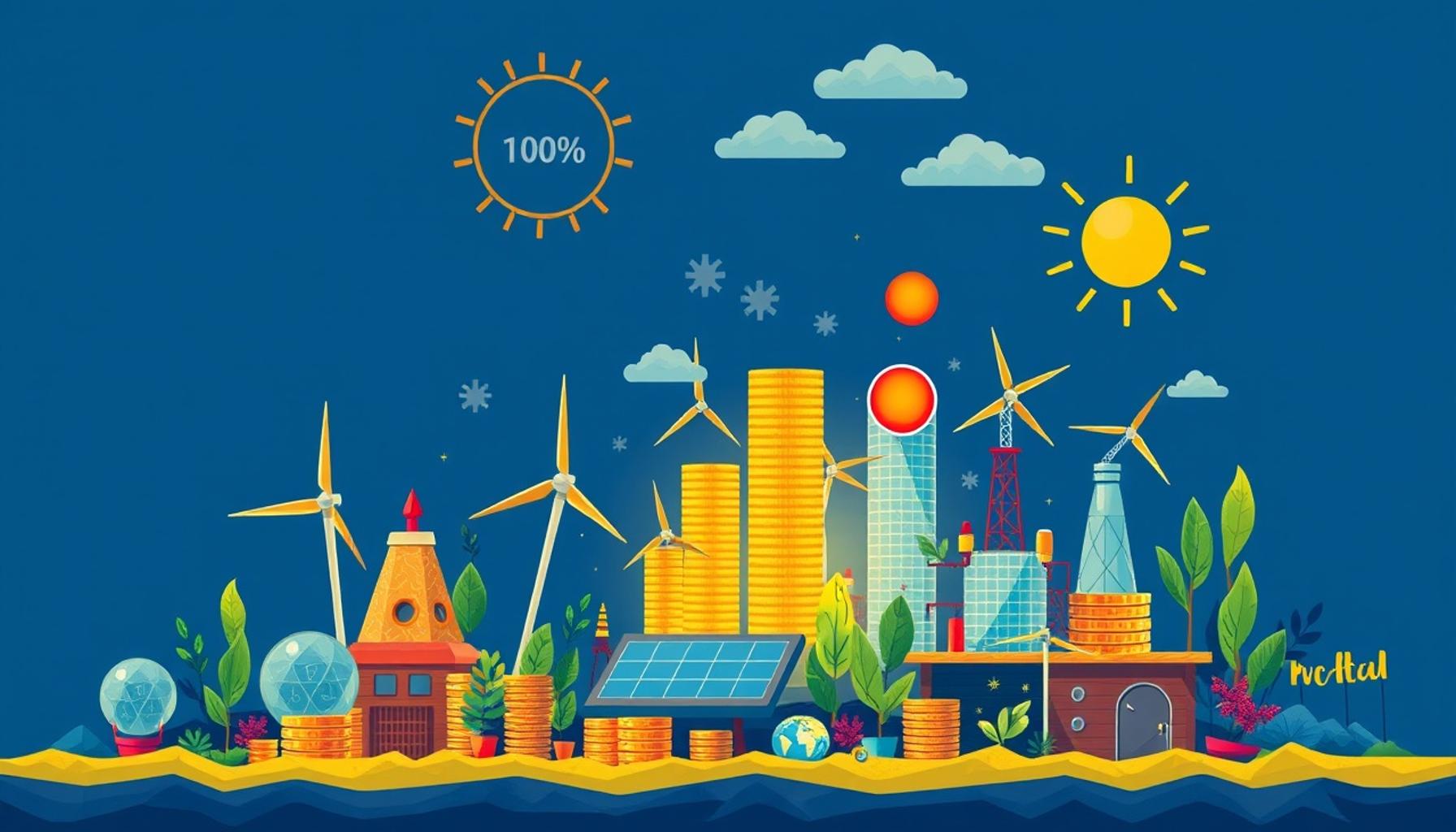
Over the past decade, we have witnessed a remarkable shift in how the world perceives energy production and consumption. The concept of renewable energy, once seen as a futuristic vision, has become integral to the fight against climate change and resource depletion. This transformation is largely attributed to heightened public awareness regarding environmental issues and a growing demand for energy solutions that prioritize sustainability. As a result, innovative startups have emerged, positioning themselves at the forefront of this energy revolution, leveraging modern technology to develop effective solutions that challenge traditional energy paradigms.
One of the most significant advancements has been in the realm of solar panels. Historically, solar technology was limited by high costs and efficiency concerns. However, recent developments, particularly with the integration of materials like perovskite, have led to breakthroughs that not only improve efficiency rates but also make solar energy more affordable for the average consumer. For instance, compared to conventional silicon solar cells, perovskite solar cells offer better light absorption and can be produced at a fraction of the cost, making solar energy accessible to a broader audience.
Wind turbines have also seen significant advancements. New designs focus on maximizing energy capture while minimizing installation and maintenance costs. For example, larger rotor diameters enable turbines to generate more power at lower wind speeds. Companies are developing vertical-axis wind turbines that are not only effective in urban areas but also quieter and less visually intrusive, expanding the scope of where these structures can be installed.
In addition, energy storage technologies have advanced significantly, primarily through innovations in battery design. Enhancements in lithium-ion batteries have resulted in greater energy density and reduced charging times, while new materials like solid-state batteries promise even higher performance and safety standards. For example, Tesla’s Powerwall has made it possible for homeowners to store excess energy produced during the day, which can then be used in the evening or during peak consumption times, thus maximizing efficiency and reducing energy costs.
Startups serve a critical role in the renewable energy landscape by focusing on a few key areas:
- Affordability: Many startups aim to make renewable technologies economically feasible for various consumer segments. For example, companies are developing low-cost financing options for solar installations, allowing families to access solar power without significant upfront investments.
- Scalability: Startups often create scalable business models, enabling them to expand quickly and meet rising demand. This is particularly relevant in fast-growing areas such as urban centers, where sustainable energy solutions are critically needed.
- Collaboration: Many emerging companies partner with established firms to further integrate innovative solutions. Collaborations often lead to shared resources and knowledge, which can propel advancements in technology and market reach.
Through these initiatives, startups not only contribute towards a sustainable future but are actively reshaping the global energy market. The drive for cleaner, more efficient energy alternatives is not just a trend but a necessity as the world moves toward a greener tomorrow. As we explore the various startup initiatives leading the charge, it becomes evident that a collective commitment to innovation is essential for achieving global sustainability goals.
DIVE DEEPER: Click here to discover
Driving Innovation through Startup Excellence
The landscape of renewable energy is evolving rapidly, thanks in large part to the dynamic role of startups. These young companies are not only emerging as key players in the market but are also harnessing the power of technology to drive significant advancements in sustainability. One of the prime areas of focus has been on energy efficiency. Startups have taken up the challenge of developing smart technologies that help consumers reduce energy consumption while maximizing their use of renewable sources.
For example, consider the rise of smart home systems that connect various energy-consuming devices and appliances. By utilizing data analytics, these systems optimize energy usage in real-time, allowing households to monitor their consumption patterns and make informed decisions about how and when to use energy. Companies like Nest and Ecobee are revolutionizing the way we manage energy in our homes, offering solutions that not only minimize wastage but also significantly lower electricity bills.
Another notable innovation stems from the field of bioenergy. Startups are exploring the utilization of organic materials, including agricultural waste, as viable sources of energy. For instance, companies are developing technologies that convert food scraps into biogas, which can then be used for cooking or heating. This not only provides a renewable energy source but also tackles the pressing issue of waste disposal. As urban areas grapple with increasing waste levels, such innovative approaches offer a dual benefit—clean energy coupled with effective waste management.
In addition to efficiency improvements, startups are also at the forefront of creating new grid solutions. Traditional electricity grids are often aging and unable to handle the fluctuations in energy generation and consumption that come with renewable sources. Startups are innovating in the area of microgrid technology, which allows for localized energy production and distribution. Micogrids can operate independently or in conjunction with the broader grid, making them ideal for remote communities or disaster-stricken areas. By integrating energy sources like solar and wind into these microgrids, startups are paving the way for a more resilient and sustainable energy future.
Key Areas of Startup Innovation in Renewable Energy
- Energy Efficiency Technologies: Smart home devices and energy management systems are transforming how we approach energy consumption.
- Bioenergy Solutions: Innovative methods for converting waste into energy are addressing both waste management and energy production.
- Microgrid Development: Startups are building decentralized energy systems that support local communities and enhance grid stability.
The efforts of these innovative startups highlight the potential of technology to redefine our energy landscape, driving us closer to a sustainable future. Underpinning these successes is a dedicated pursuit of not just clean energy solutions, but also a commitment to addressing inefficiencies and environmental concerns that impact society as a whole. As we continue to explore the ever-evolving role of startups in renewable energies, it becomes evident that their contributions are essential for the rapid advancement required in our journey toward sustainability.
DISCOVER MORE: Click here to learn about Shein’s sustainability efforts
Transforming Energy Production through Innovation
Beyond energy efficiency and waste management, startups are also making significant strides in the technological advancements of energy production. Innovations in solar, wind, and other renewable energy sources are increasingly becoming the focus of entrepreneurial ventures. These companies are introducing groundbreaking methods to enhance the efficiency and affordability of renewable energy generation.
In the realm of solar energy, startups are developing advanced photovoltaic (PV) technologies that aim to capture more sunlight than traditional solar panels. One such innovation is the creation of bifacial solar panels, which can generate electricity from both sides of the panel, thereby increasing overall energy harvest. Companies like Canadian Solar are pioneering this technology, allowing installations to produce significantly higher energy outputs, particularly in areas with reflective surfaces such as snow or sand.
Moreover, the integration of artificial intelligence (AI) in energy production is changing the game for renewable sources. Startups are utilizing AI algorithms to predict energy generation patterns based on weather data, enabling more accurate forecasting of renewable energy outputs. This enhances grid management by ensuring that supply can meet demand, reducing reliance on fossil fuels during peak energy use. For instance, companies like Fero Labs are employing AI to optimize energy production in real-time, ensuring that grids effectively incorporate renewable sources without compromising on reliability.
Innovative Storage Solutions
Another critical area where startups are making an impact is in energy storage technologies. With the intermittent nature of renewable energy sources like solar and wind, effective storage systems are crucial for ensuring a consistent energy supply. Startups are revolutionizing this field by developing more efficient and sustainable energy storage solutions.
One of the most exciting developments is in lithium-sulfur batteries, which offer higher energy density and longer life cycles compared to traditional lithium-ion batteries. Companies like Sion Power are pioneering this technology, which can significantly reduce the cost of energy storage and increase the feasibility of renewable energy in various applications, from grid storage to electric vehicles. Additionally, other startups are exploring flow battery technology, which allows for scaling up storage capacity, making it ideal for large renewable energy projects.
The Rise of Decentralized Energy Systems
Decentralized energy systems are another frontier being explored by innovative startups. By enabling local communities to generate, store, and consume their own renewable energy, these systems provide an alternative to traditional energy models dominated by centralized power plants. Companies such as Power Ledger are developing blockchain-based platforms that facilitate peer-to-peer energy trading, allowing consumers to buy and sell surplus energy directly between one another. This not only promotes local energy autonomy but also creates economic opportunities for communities.
- Advancements in Solar Technology: Innovations like bifacial solar panels are increasing the efficiency of solar energy generation.
- Artificial Intelligence Integration: AI is optimizing energy production and grid management for renewable sources.
- Energy Storage Revelations: New battery technologies are enhancing storage capacity and reliability for renewable energy.
- Decentralized Systems: Startups are empowering communities to manage their own energy sources effectively.
These technological advancements clearly demonstrate that startups are not merely contributors to the renewable energy sector; they are the innovators who are redefining how we harness and utilize energy. As we explore these advancements further, it becomes evident that the pathways laid out by startups are vital for achieving a sustainable energy future.
DIVE DEEPER: Click here for more insights
Conclusion
In summary, the surge of technological innovations in renewable energies underscores the pivotal role that startups play in fostering sustainability. These entrepreneurial ventures are not just enhancing existing technologies; they are challenging traditional energy paradigms and paving the way for a greener future. Through advancements such as bifacial solar panels, AI-driven forecasting tools, innovative energy storage solutions, and decentralized energy systems, startups are addressing critical gaps in renewable energy production and consumption.
Furthermore, the collaborative spirit among startups, investors, and governments is essential for fostering this innovative landscape. By investing in entrepreneurial ideas that create more efficient and affordable energy systems, we can significantly reduce our reliance on fossil fuels and move toward a sustainable energy economy. The potential for these innovations to transform not only energy infrastructure but also local economies and communities cannot be overstated.
As we continue to navigate the challenges of climate change and resource depletion, it is vital to support these innovators. By doing so, we not only empower them to succeed but also contribute to a more sustainable, resilient, and equitable future for generations to come. The journey toward a cleaner energy landscape is just beginning, and the startups leading this charge offer hope and a roadmap for a brighter tomorrow.

Linda Carter
Linda Carter is a writer and expert known for producing clear, engaging, and easy-to-understand content. With solid experience guiding people in achieving their goals, she shares valuable insights and practical guidance. Her mission is to support readers in making informed choices and achieving significant progress.